How to Boost Domain Rating (DR) and SEO for AI Startups via Directory Backlinks
Learn how strategic directory submissions build high-authority foundational backlinks, accelerate search indexation, and drive sustainable organic traffic.
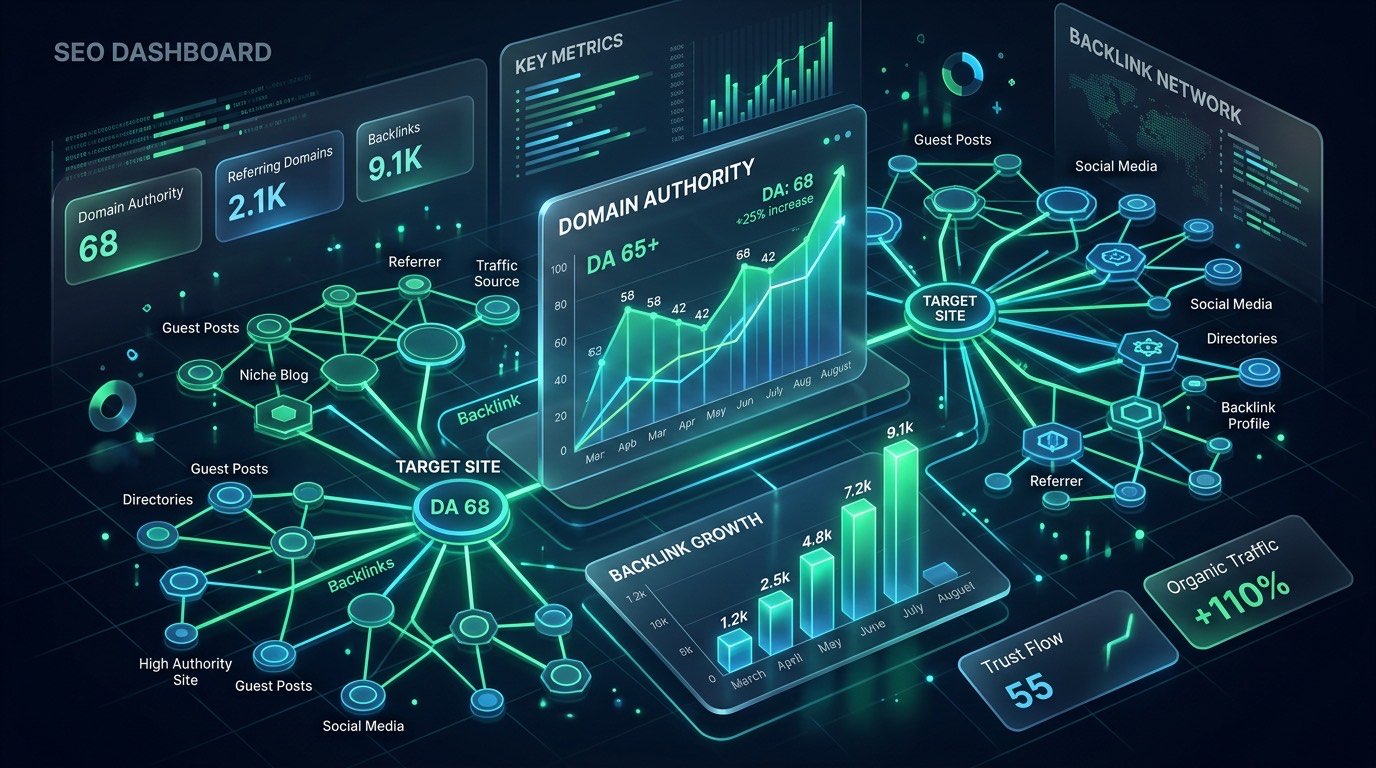
When building an AI product, few moments are as disheartening as publishing high-quality feature pages and blog articles only to see zero impressions in Google Search Console.
This dilemma is what search marketing veterans call the "Cold Start SEO Problem". A brand-new domain starts with zero Trust Flow, zero referring domains, and a Domain Rating (DR) or Domain Authority (DA) score of 0. Search engine algorithms are reluctant to rank unproven domains for competitive search queries until they establish verifiable digital footprint signals.
The most efficient way to build this initial layer of domain authority is through structured, high-reputation directory backlinks and citations. In this guide, we break down the SEO mechanics behind directory links, how they influence search crawlers, and how to execute a safe, high-impact link velocity strategy.
The Mechanics: Why Directory Backlinks Move the Needle
Search engine algorithms evaluate a website's credibility based on the graph of web nodes pointing to it. Here is why curated directories are uniquely powerful for early-stage SEO:
1. High Domain Authority Transmission
Prominent directories like Product Hunt (DR 90), AlternativeTo (DR 81), Crunchbase (DR 91), and There's An AI For That (DR 77) have massive link equity accumulated over years. Backlinks from these domains pass valuable authority signals directly to your root domain.
2. Diversified Link Profile (Dofollow & Nofollow Balance)
A natural backlink profile consists of both dofollow links (which pass PageRank directly) and nofollow/ugc links (which provide brand citations and referral discovery). Submitting across a wide catalog of 200+ directories naturally builds an authentic, algorithm-safe link distribution that mimics organic brand adoption.
3. Accelerated Crawl & Indexation Velocity
Googlebot and other search engine web crawlers constantly re-crawl high-authority directory listings. When your site is linked across dozens of regularly updated directory platforms, crawlers discover your URLs and sitemaps much faster, slashing your indexation timeline from months to days.
┌─────────────────┐       ┌──────────────────────┐       ┌─────────────────┐
│ High-DR Direct- │ ───▶  │ Rapid Crawler        │ ───▶  │ Quicker Google  │
│ ories (DR 60-90)│       │ Discovery            │       │ Indexation      │
└─────────────────┘       └──────────────────────┘       └─────────────────┘
         │                                                        │
         ▼                                                        ▼
┌─────────────────┐                                      ┌─────────────────┐
│ Domain Rating   │ ───────────────────────────────────▶ │ Top Keyword     │
│ Lift (0 ➔ 40+)  │                                      │ SERP Rankings   │
└─────────────────┘                                      └─────────────────┘
Strategy: Submitting for Maximum SEO Value
To extract maximum organic ranking power from directory listings, avoid sloppy submissions. Follow these proven on-page and off-page optimization principles:
1. Standardize Your NAP & Brand Mentions
Ensure that your Name, Address/URL, and Positioning are coherent across every directory profile. Inconsistent brand naming or switching between www. and non-www. URLs fragments your link equity. Always use your canonical root URL (https://yourdomain.com).
2. Target Category-Specific Niche Directories
While general tech directories are valuable, high-relevance niche directories (such as specific listings for AI Developer Tools, AI Copywriting, or SaaS Boilerplates) provide strong topical relevance. Search engines place heavy weight on contextual relevance between linking domains.
3. Anchor Text Best Practices
Most directories will use your product name or domain as the anchor text (e.g., BrandName or brandname.com). This is optimal for building a healthy branded anchor text foundation. Avoid attempting to force exact-match keywords (like Best Cheap AI Video Maker) into directory titles where not permitted, as this can trigger over-optimization filters.
Tiered Link Velocity: How to Pace Your Submissions
A common question among founders is: "Should I submit to 200 directories in one afternoon or spread them out?"
| Phase | Volume | Target Types | Core Goal |
|---|---|---|---|
| Week 1 | 15–25 sites | Tier 1 Flagship Launchpads & Top Aggregators | Initial crawl triggers & brand ownership |
| Week 2–3 | 40–60 sites | High-DR General Tech & SaaS Catalogues | DR score jump (0 ➔ 25+) & indexation |
| Week 4–6 | 100+ sites | Specialized AI directories & community lists | Long-tail keyword rankings & referral flow |
By distributing submissions across several weeks using an interactive tracker like Submit a Tool, you create a natural, steadily growing velocity curve that search engines love.
Tracking Your DR Growth and SEO Milestones
Once your submissions are underway, monitor the following metrics in your analytics and SEO tools (such as Ahrefs, Semrush, or Google Search Console):
- Referring Domains Count: Track the net new unique domains pointing to your website week over week.
- Indexed Pages Ratio: Check
site:yourdomain.comin Google to verify that all your core landing and product pages are indexed. - Organic Impressions: Watch for the emergence of non-branded query impressions in Google Search Console.
- Referral Conversion Rate: Measure which specific directories deliver high-intent visitors who actually sign up or activate free trials.
Conclusion
Building domain authority does not have to be an opaque or exorbitant process. By systematically submitting your product to curated, high-reputation directories, you establish the foundational link equity needed to break out of the sandbox and rank for your target keywords.
Start building your backlink foundation today with our Curated AI & SaaS Directories Checklist.